Guy Fawkes Night: Tyre Raids, Bonfire Battles and the Worst Guy Ever
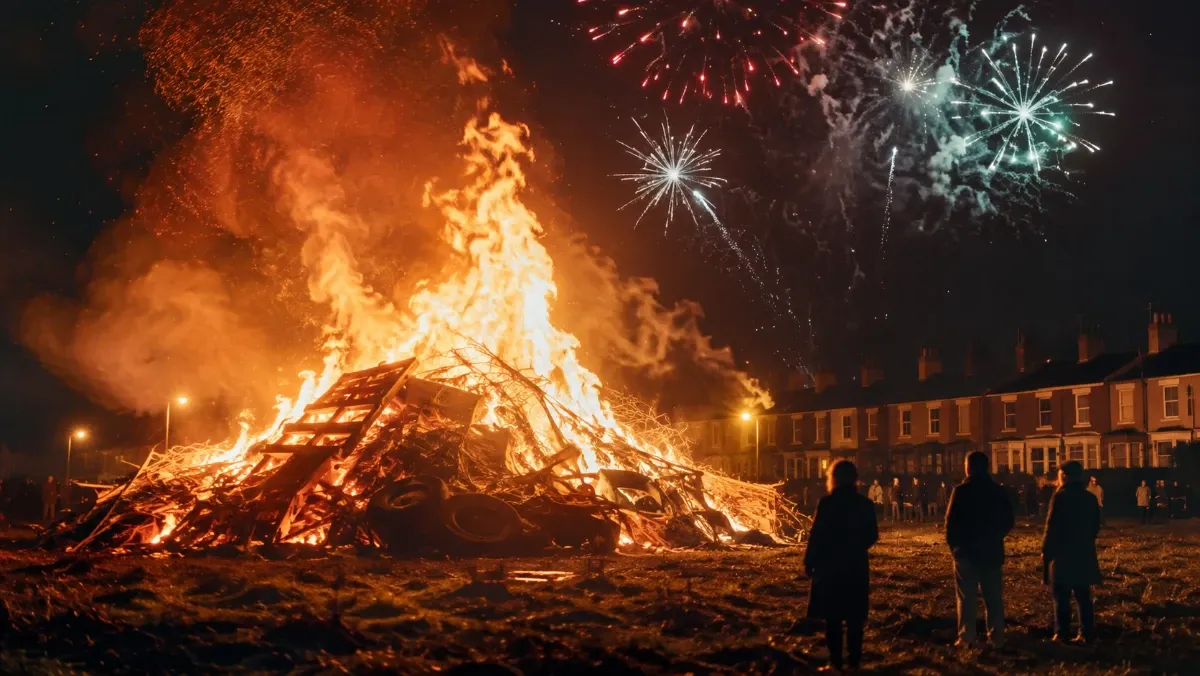
Before health and safety, before helicopter parenting, there was Guy Fawkes Night in 1960s Swansea.
For anyone outside the UK wondering what any of this is about: in 1605 a Catholic man named Guy Fawkes tried to blow up Parliament and got caught before he could light the fuse.
Fawkes was sentenced to be hanged, drawn and quartered, rather than burned at the stake, as the bonfire tradition sometimes leads people to assume. Every year since, on the 5th of November, Britain has marked his failure with bonfires and fireworks.
Somewhere along the way it stopped being about Fawkes at all and turned into an excuse for enormous fires and controlled explosions, which is roughly how most of Britain still treats it today.
If Christmas was for families and Easter was for church, then Guy Fawkes Night was for absolute, unrepentant mayhem. It wasn't about fireworks so much as warfare. A turf war waged with stolen tyres and matches, a weeks-long campaign to out-burn, out-steal, and outwit the neighbouring gangs in the sacred quest to build the biggest bonfire in Port Tennant.
We were feral. We were proud of it.
Operation Bonfire
Preparation began weeks in advance. Every kid in the neighbourhood either joined forces or splintered into factions, all hunting the same flammable treasure: old furniture, scrap wood, pallets, cardboard, and the crown jewels, bus and tractor tyres. These prizes were spirited away to various "secure" locations: garages, sheds, the underground shelter over the Bank.
Everyone knew where everyone else was stashing their hoard, obviously. Bonfire espionage was a constant threat.
Gathering was only half the game. Sabotage was the other half.
Find a rival gang's stash and you faced a delicious choice: steal what you could carry, or burn the rest on the spot, preferably with theatrical flair. Revenge was swift and merciless. Our store would get hit, we'd retaliate, and the fire brigade would inevitably get dragged into the smouldering aftermath.
A Lesson in Engineering (and Petty Theft)
Once the big day arrived, things got technical.
We needed oil for the bonfire, proper accelerant, and we knew exactly where to get it: the coal wagons parked down on the railway line. Our method was ingeniously crude: a rolled-up strip of paper and a tin can. Poke the paper into the filler hole on the wheel hub, wait for the oil to soak through, let it drip into the can like some medieval alchemist extracting liquid gold.
This precious fuel would then be ceremoniously poured onto our bonfire just before lighting.
Looking back, it's a miracle none of us set ourselves on fire, and an even bigger miracle none of us ended up as railway casualties. But that was childhood in the late 1950s and early 1960s: risky, unsupervised, one match away from disaster.
On the day, we'd start ferrying the haul from its hiding places to the bonfire site. None of your tidy pallet-stacks like you see now. Ours was whatever we thought would burn: railway sleepers, tyres of every type and size, rotten planks, branches, cardboard, vegetable crates and, one year, somebody's back garden door, lifted clean off its hinges and spirited away into the darkness.
The bonfire grew all day, watched over, argued over, occasionally defended.
As it got dark, the Wern Fawr Road families would drift out with whatever fireworks they'd managed to afford. Fathers stood rockets up in milk bottles to launch them.
One man, I remember, decided the bottle wasn't good enough and pushed the rocket's stick straight into the ground instead. He lit it. The stick was jammed so firmly into the ground that the rocket couldn't lift off, so instead of exploding a hundred feet in the air, it did the whole starburst display at ankle height, right in the middle of the crowd, who scattered laughing and screaming in roughly equal measure.
When our fire finally went up, the feeling was enormous. Weeks of scheming, thieving and minor arson, all paying off in one column of flame.
The World's Worst Guy
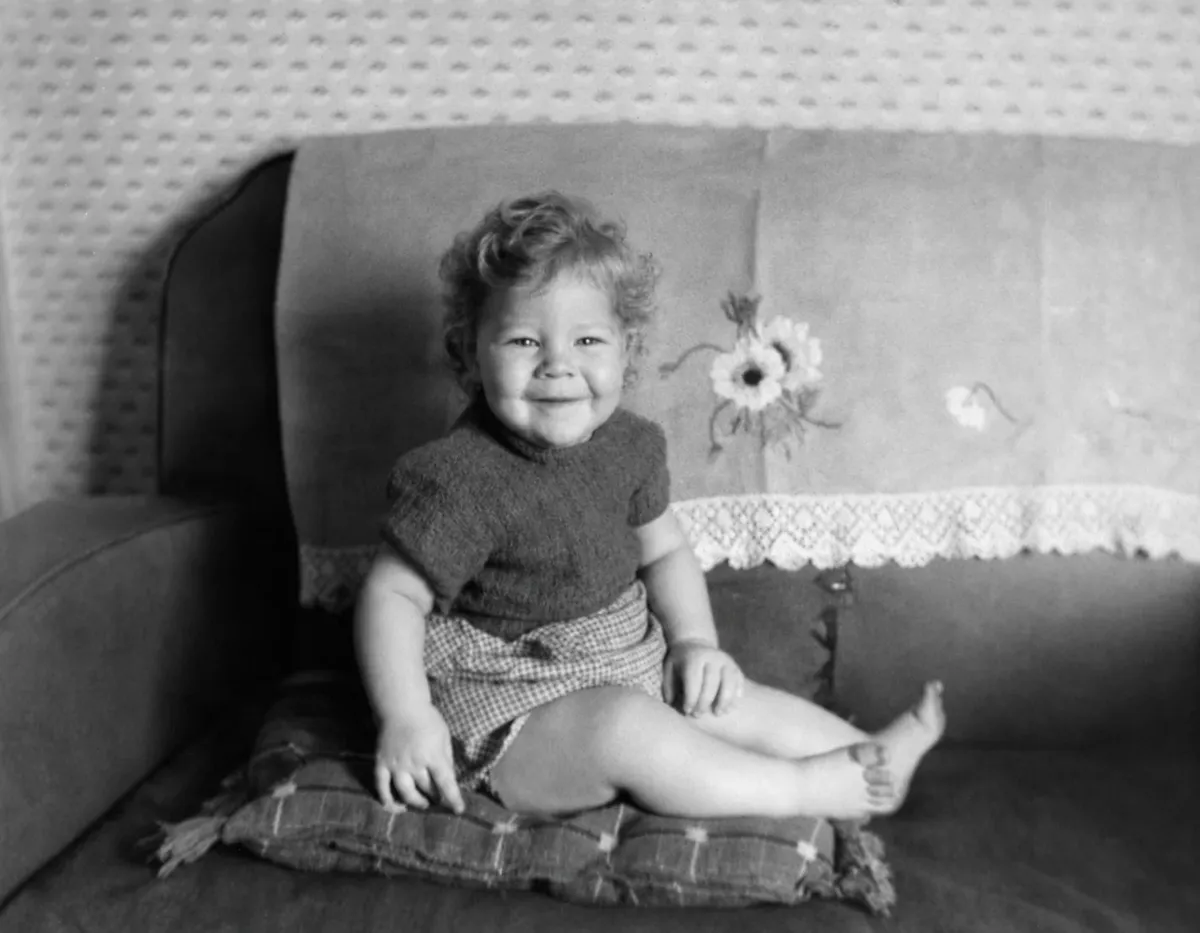 My brother David, around the age we tried to use him as a guy.
No bonfire was complete without its Guy, a rag-stuffed effigy of Mr Fawkes himself, destined for the flames. Children would traditionally build one from old clothes stuffed with newspaper, then prop it up on street corners in the run-up to the 5th, asking passers-by for a "Penny for the Guy," donations that were meant to fund fireworks.
One year, in a stroke of either genius or desperation, we decided to use my little brother David as a living Guy. We dressed him in old clothes, positioned him on the pavement, and began approaching passers-by with our plaintive cry: "Penny for the Guy!"
The plan was simple. David would sit perfectly still, playing dead, while we collected donations.
David was a catastrophic Guy.
He fidgeted constantly, scratched himself, adjusted his collar, and looked undeniably, unmistakably alive. His performance wouldn't have fooled a blind man. Nobody gave us a penny. One woman even muttered something about child cruelty as she hurried past.
David would have been about two or three at the time, which, in hindsight, probably explains why he made such a terrible corpse.
Mam, remarkably, appears to have allowed all of this. Maybe she was simply pleased to have us out of the house and enjoying the peace and quiet.